First-time owners ask how often a dog needs grooming as if there is one answer printed somewhere. There is not, because the calendar belongs to the coat, not the dog. A poodle and a beagle living in the same Charlotte house run on completely different schedules, and both are normal. What follows is a first-timer's walk through the five common coat types and the rhythm each one needs.
The professional groom itself covers bath, blow dry, haircut or de-shedding, nail trim, and ear check. How often that full package needs to happen depends on how fast the coat grows, whether it sheds or holds its dead hair, and how much brushing happens at home in between.
The five coat types and their clocks
Curly coats, like poodles and most doodles, grow continuously and do not shed, which sounds convenient until you learn the loose hair stays in the coat and tangles. These dogs typically need a groom every four to six weeks plus real brushing at home. Silky coats, like Yorkies and spaniels, grow long, tangle behind the ears and in the armpits, and usually run on a similar schedule.
Double coats, like shepherds, huskies, and retrievers, shed in volume twice a year and moderately in between. They do not need haircuts, but they need bathing, thorough drying, and undercoat removal every six to eight weeks or so, more during the spring blowout. Wire coats, like most terriers, are kept harsh and tidy by hand stripping or clipping on a six to eight week rhythm. Short coats, like boxers and beagles, are the low maintenance end: a bath, nails, and ears every eight to twelve weeks covers most of it, though nails keep growing on their own schedule regardless.
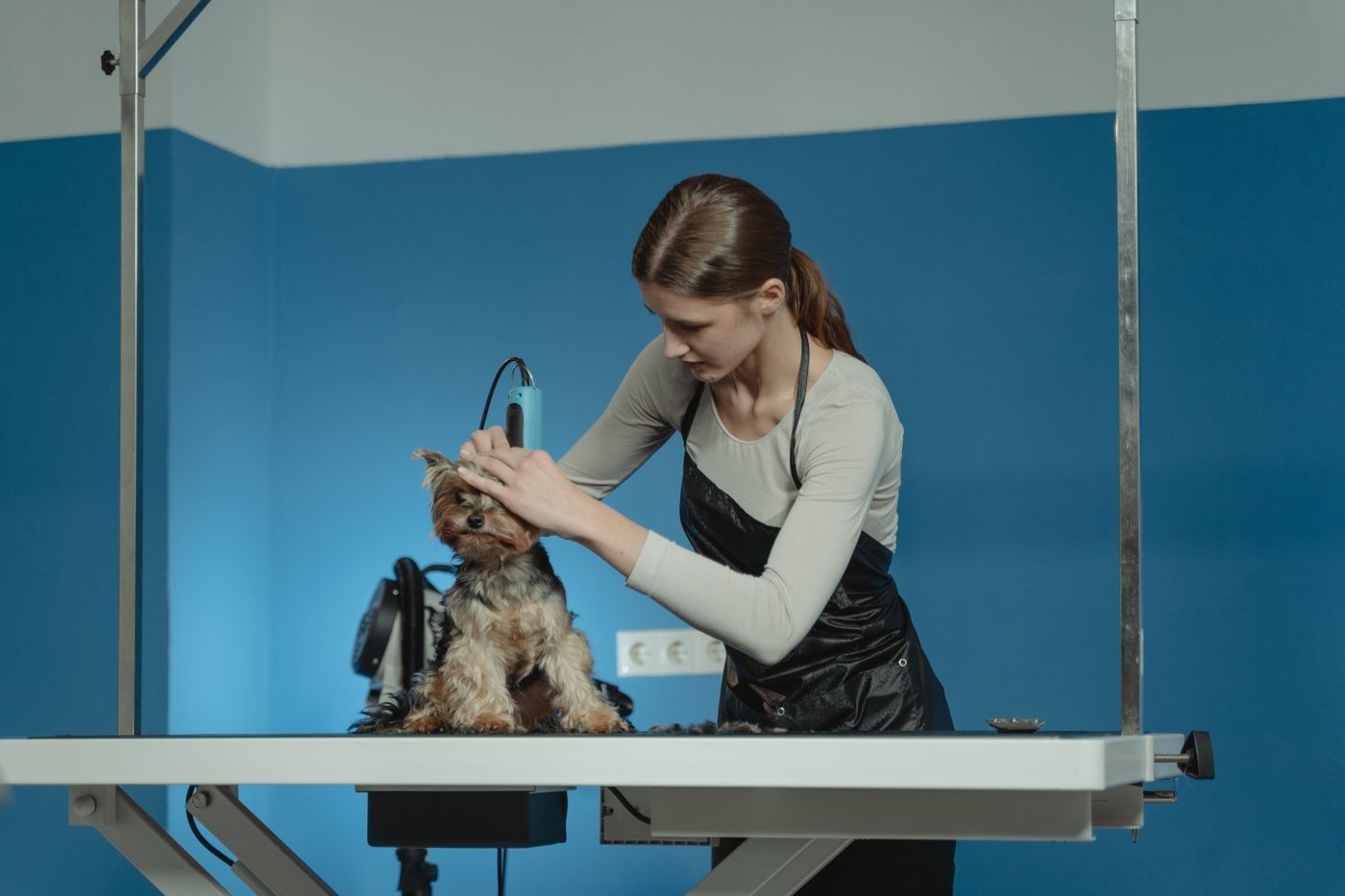
Your first grooming appointment, step by step
- Book by coat, not by crisis. Call when the coat is still manageable, describe the breed and coat honestly, and ask what interval the groomer recommends after seeing the dog.
- Bring vaccination records. Salons ask for current rabies vaccination, and having the paperwork ready keeps check-in short and calm.
- Say what you want in plain words. Bring a photo of a cut you like on a similar coat. Length described in inches or as short, medium, or long beats breed names used loosely.
- Expect the bath and dry to take the longest. Washing, forced air drying, and brushing out the coat is most of the appointment; the haircut itself is often the quickest part.
- Plan for a few hours, not a few minutes. Dogs are groomed in rotation with breaks, which keeps stress down. A rushed dog is an unhappy dog.
- Leave with the next date set. Before you go, ask when this coat should come back and book it. The interval the groomer names is the single most useful thing you will learn that day.
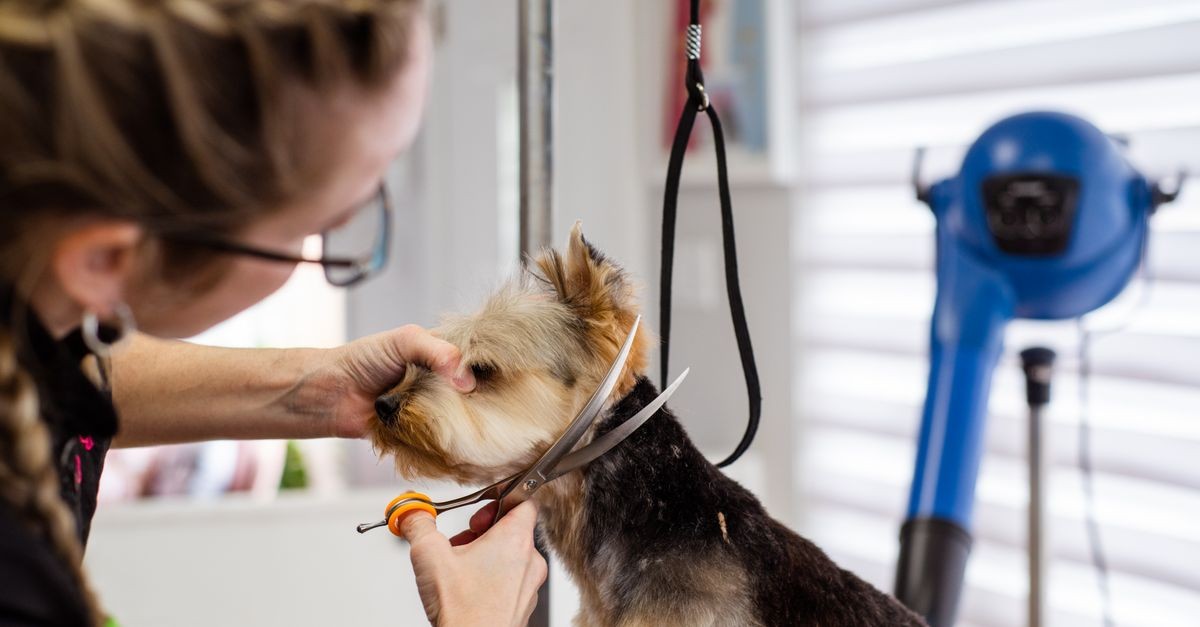
What happens between appointments decides everything
The groomer's interval assumes a normal amount of home care. A curly coated dog brushed properly twice a week can stretch toward the longer end of its range; the same dog never brushed will arrive matted and need a shorter cut and a sooner return. Nails are the exception to every schedule. Most dogs need nails trimmed every three to four weeks whether the coat is due or not, and long nails change how a foot lands, which over months can make walking uncomfortable.
At Kibbles & Klips Pet Grooming Salon in Charlotte, puppy cuts for young dogs are part of building this rhythm early, short and positive visits before a full groom is ever needed. Start the clock young, keep the interval the coat asks for, and grooming stays a routine errand instead of a rescue operation.
One more variable deserves honesty: your own week. A schedule you can actually keep, with brushing built into two quiet evenings, beats an ambitious plan abandoned by the second month. Choose the coat length and interval that fit the life you live, and the dog will look consistently tidy instead of perfect twice a year and overgrown the rest of the time.
Common questions
Can I stretch the interval to save trips?
Within reason, if home brushing keeps up. What you cannot stretch is a matted coat; once tangles tighten to the skin, the groom changes from a haircut to a careful shave-down, so the honest limit is the coat's condition, not the calendar.
Do short-haired dogs really need a groomer?
They need less, but not nothing. Baths, nail trims, ear checks, and shedding management still apply, and a professional bath with a full dry removes far more loose hair than a home rinse for a heavy shedder.
How will I know I waited too long?
Tangles you cannot brush out in a few minutes, nails clicking on hard floors, odor returning within days of a bath, and hair covering the eyes are all reliable signs the interval was too long this time.
Photos in this guide are representative stock images.
← All guides from Kibbles & Klips Pet Grooming Salon← Back to Kibbles & Klips Pet Grooming Salon