A home bath between professional grooms sounds simple, and mostly it is. The trouble starts with the shortcuts: shampoo poured on full strength, a rinse that stops when the water looks clear enough, and a dog released damp to air dry on the porch. Each shortcut saves five minutes and buys a problem that shows up days later as itching, odor, or mats that were not there before.
In Charlotte's humid summers the stakes are higher. Moisture held against skin by a thick coat dries slowly, and skin that stays damp gets irritated. The routine below, used by groomers in spirit if not in equipment, keeps a bath short, thorough, and genuinely finished.
What skipping the steps actually does
Undiluted shampoo is hard to spread and harder to rinse. Residue left in the coat attracts dirt, dulls the fur, and itches, so the dog scratches, and scratching tangles and breaks coat. Owners often respond with another bath, which adds more residue to the first layer. It is a common cycle and an easy one to break: dilute the shampoo in a squeeze bottle with water, work it through, and rinse until the coat squeaks slightly and the water runs completely clear.
Skipping the drying step is the bigger mistake. A double coat or a curly coat can feel dry on the surface while the skin underneath stays wet for hours. That trapped moisture is where hot spots and yeasty odors start, especially in skin folds, armpits, and the dense ruff around the neck.
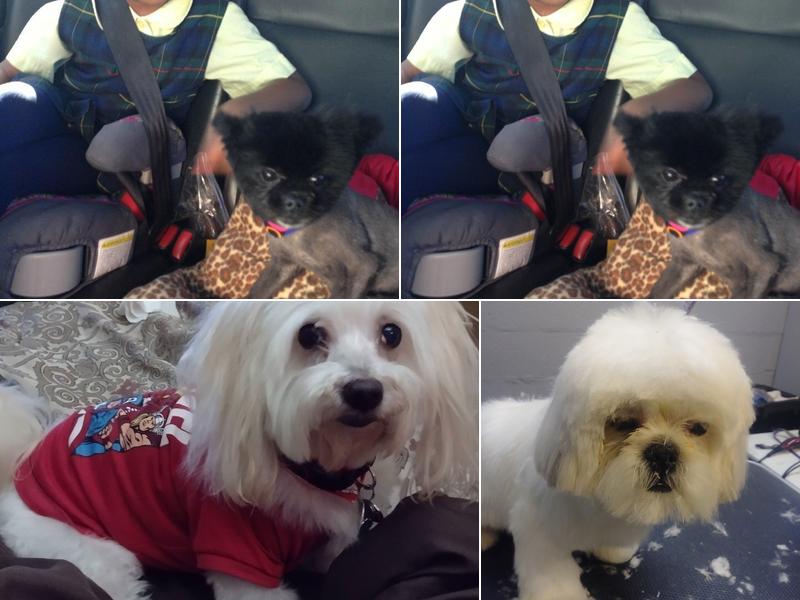
The bath itself, in order
Brush first, always. Water tightens tangles, so anything you can remove dry should come out dry. Lukewarm water, wet the dog thoroughly, then apply the diluted shampoo and massage it in with fingertips, not nails. Wash the dirtiest parts last so they soak longest. Keep shampoo out of eyes and keep water out of ear canals; a cotton ball loosely placed in each ear helps.
Rinse longer than feels necessary. Then rinse once more if the coat is thick. Conditioner is optional for short coats and genuinely useful for long or curly ones, because it loosens remaining tangles and makes the brush-out after drying far easier. Squeeze water out by hand, towel firmly, and then dry with a dryer on a cool or warm setting, brushing as you go so air reaches the skin.
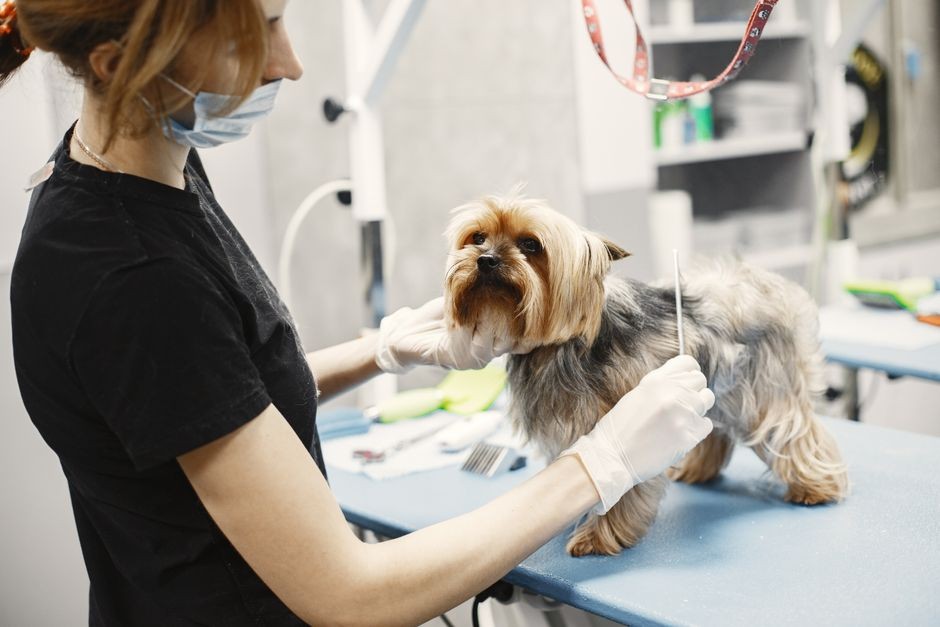
Drying is the part that counts as finished
Work in sections. Point the airflow against the lay of the coat, watch the fur part down to skin, and move on only when that section is dry and cool to the touch. Feet, groin, armpits, and behind the ears dry last and mat first, so give them a second pass. A dog that smells clean on day one and musty on day three was almost certainly put away damp.
Keep notes the first few times you bathe at home: how long the rinse really took, which spots stayed damp longest, and where tangles appeared by the next day. That small record turns guesswork into a routine fitted to your dog's actual coat within two or three baths.
Between full baths, a damp cloth over the coat, a quick brush, and clean feet after muddy Charlotte rain handle most of the week. Save full baths for when the dog is actually dirty, and let Kibbles & Klips Pet Grooming Salon handle the deep work, nails, ears, and a proper forced air dry on the regular grooming schedule. The home bath then does its real job, which is maintenance, not rescue.
Common questions
Can I use human shampoo in a pinch?
It is not a good habit. Human shampoo is formulated for a different skin pH and often carries fragrance and additives that irritate dogs. A proper dog shampoo, diluted, rinses cleaner and is made for repeated use on canine skin.
How warm should the water be?
Lukewarm, tested on your inner wrist. Dogs overheat faster than people in a steamy bathroom, and hot water worsens itching and dries skin. If the room feels like a sauna to you, it is too much for the dog.
My dog hates the dryer. What helps?
Start with the lowest, quietest setting, dry the body first and the head last, and keep sessions short with breaks. Many dogs accept a dryer once they learn it ends. Never use high heat held close to the skin.
Photos in this guide are representative stock images.
← All guides from Kibbles & Klips Pet Grooming Salon← Back to Kibbles & Klips Pet Grooming Salon